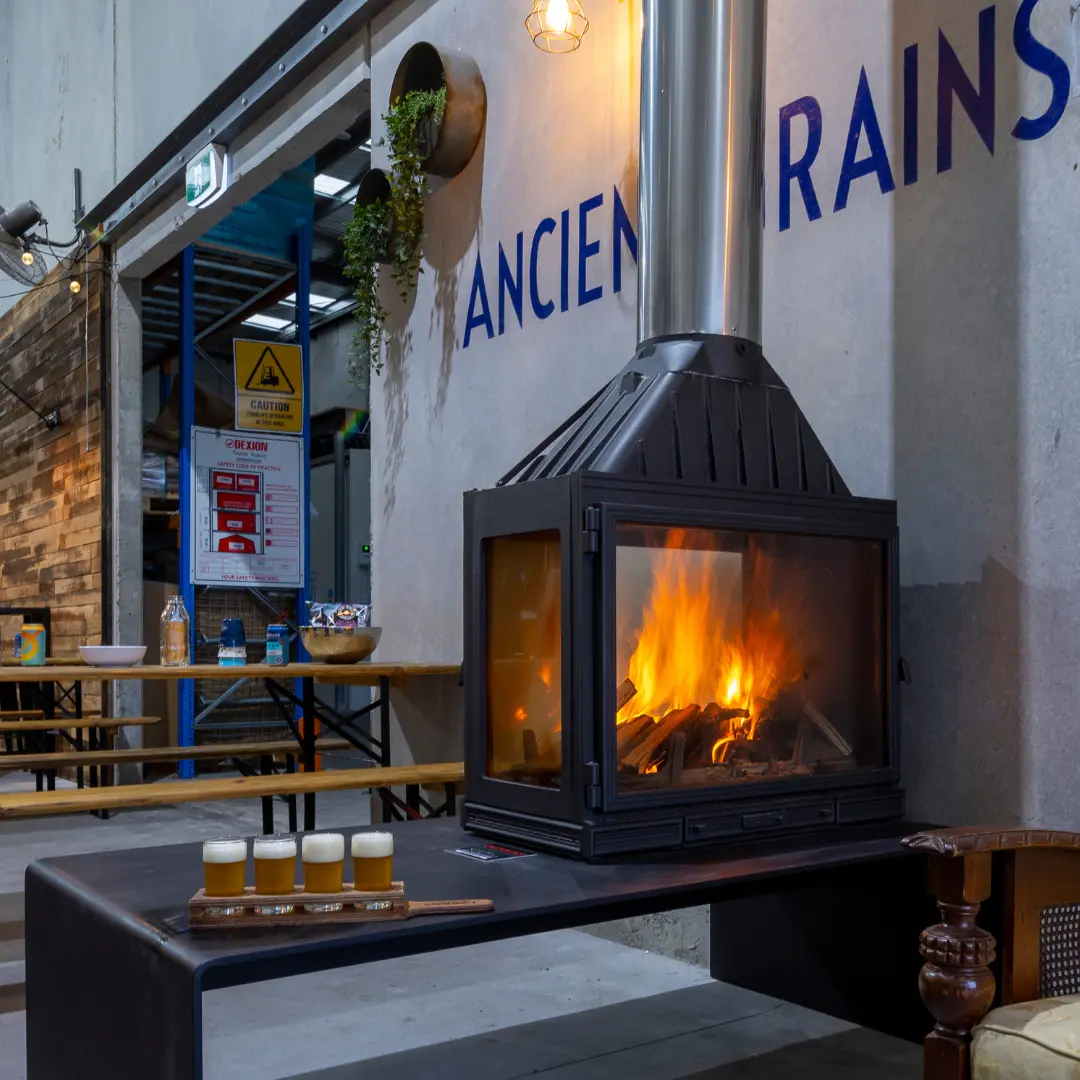
Ventilation and Fireplace Design
Ventilation and Fireplace Design: What Builders Need to Know When it comes to installing high-performance wood fireplaces, ventilation is just as important as heat output and aesthetics. For builders, understanding how ventilation impacts fireplace efficiency, safety, and compliance is essential for delivering a quality result. Here’s what you need to know when integrating a fireplace […]

Ventilation and Fireplace Design: What Builders Need to Know
When it comes to installing high-performance wood fireplaces, ventilation is just as important as heat output and aesthetics. For builders, understanding how ventilation impacts fireplace efficiency, safety, and compliance is essential for delivering a quality result.
Here’s what you need to know when integrating a fireplace into your next residential project.
Combustion Air and Room Sealing
Modern homes are built tighter than ever, with energy-efficient construction minimising air leaks and draughts. While this is great for insulation, it can cause issues for wood-burning fireplaces if adequate combustion air isn’t provided.
Without proper airflow:
- The fireplace may struggle to draw correctly
- Smoke spillage or downdraught can occur
- The fire may burn less efficiently
Builder Tip: For tightly sealed homes, consider specifying models with external air intake options or allowing for a dedicated vent to feed combustion air directly from outside.
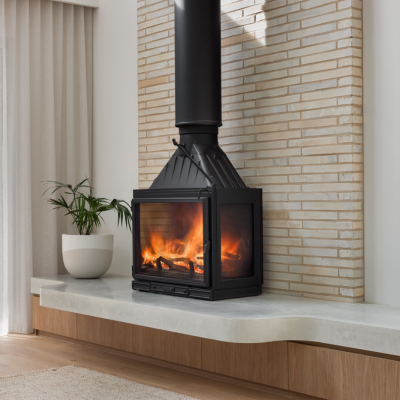
Seguin Super 9 – Private Boxing Club Project
Ventilation Requirements and Compliance
Australian Standards (AS/NZS 2918) dictate certain ventilation requirements for wood heaters. These can include:
- Minimum room volume based on the size of the fireplace
- Permanent ventilation openings in some cases
- Separation from mechanical ventilation systems like kitchen exhausts
Ignoring these details can result in compliance failures or poor performance.
Builder Tip: Always review the fireplace’s installation manual and check whether the project falls under flame zone regulations or other regional requirements.

Flueing and Room Pressure
A properly installed flue is critical to fireplace performance, but it’s also part of the ventilation equation. Poor flue design or negative pressure in the room can cause smoke spillage or draw reversal.
To avoid issues:
- Use a straight vertical flue wherever possible
- Avoid tight offsets or excessive bends
- Don’t place the fireplace in pressure-affected zones (e.g. close to exhaust fans)
Builder Tip: If the room includes strong mechanical ventilation or range hoods, you may need to install a make-up air system or discuss alternatives with your fireplace supplier.

Product Selection Matters
Some fireplaces are more adaptable to modern ventilation demands than others. At Sculpt Fireplace Collection, units from Seguin, Axis, and JC Bordelet include features like:
- External air kits
- High-efficiency combustion
- Advanced flueing configurations
Choosing the right fireplace upfront can eliminate future problems and reduce installation headaches.

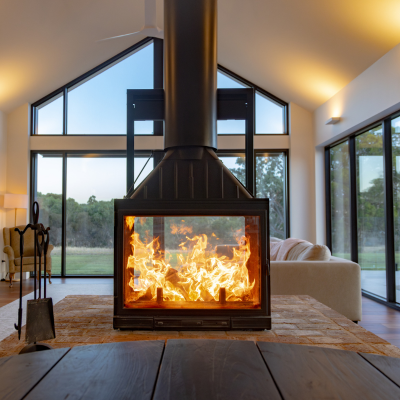
Axis H1600 SS – Luskintyre Project
Partner with Experts
Working with trusted suppliers and experienced installers is key. Sculpt Fireplace Collection provides technical documents, builder support, and detailed installation guidelines for all models in our range — helping builders deliver outstanding results every time.
To find out more or connect with your local distributor, visit Sculpt Stockist page
Tags: Architecture, axis, Design, fireplace, fireplaces, Interior Design, sculpt, sculpt fireplace collection, seguin, wood fireplace