Cast-Iron Fireplace Design Inspiration: The Revival of the Cheminée
Why cast-iron fireplaces are shaping modern fireplace design again.

Cast-Iron Fireplace Design Inspiration: The Revival of the Cheminée
When people search for fireplace design inspiration, they now expect more than surface styling. Instead, they look for features that feel intentional, durable, and integrated into the architecture of the home. As a result, fireplaces are no longer treated as optional additions. Designers now plan them early and specify them with purpose.
Because of this shift, the cast-iron cheminée-style fireplace is returning to contemporary design. Once central to European homes, this form now feels relevant again. It aligns with a renewed focus on material quality, proportion, and longevity rather than trends.

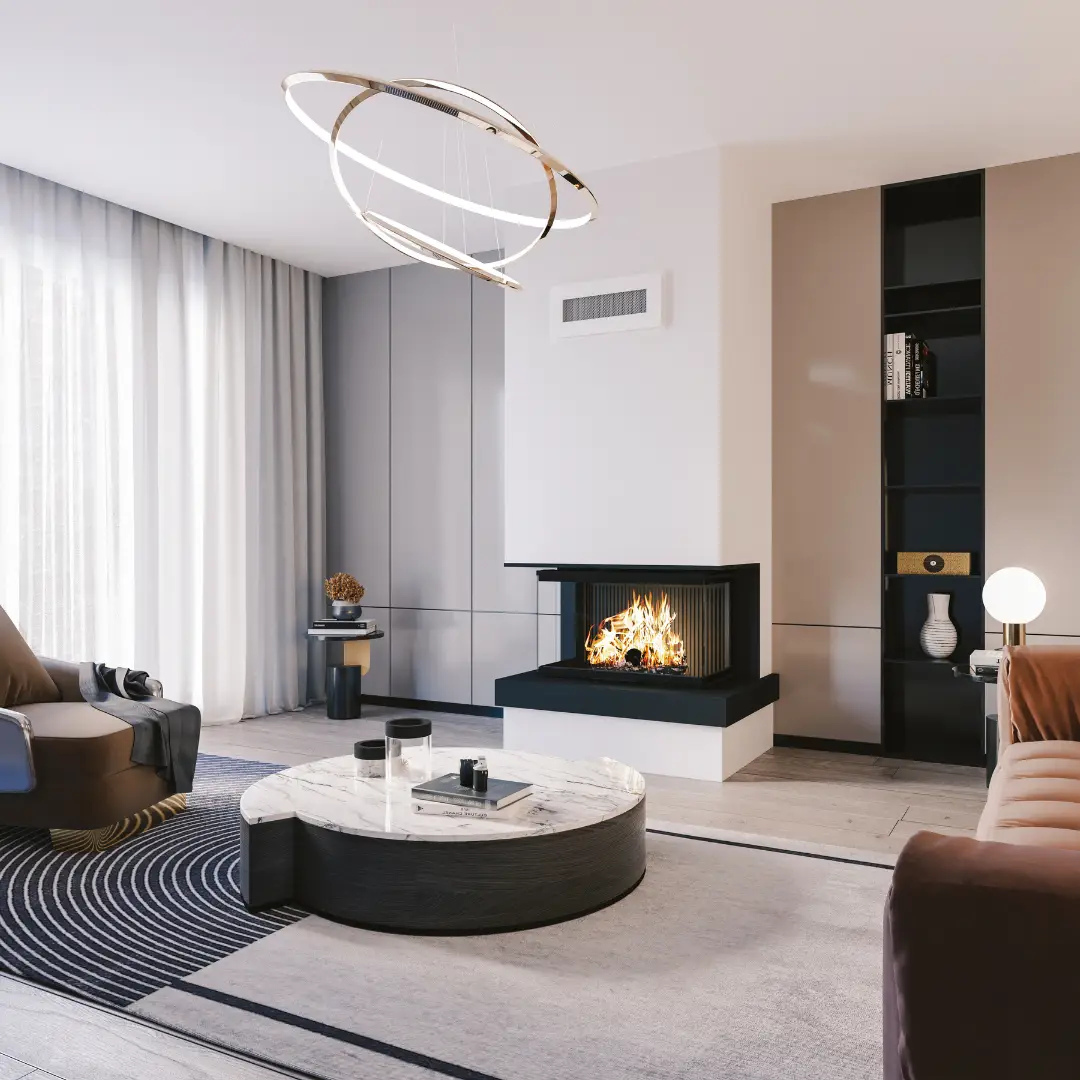
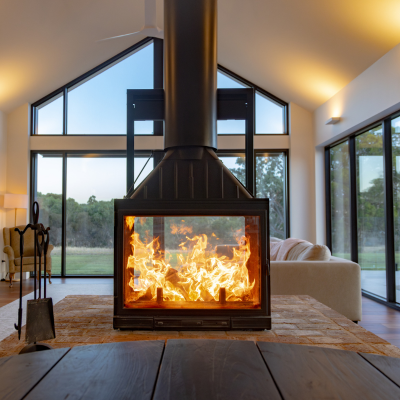
(Seguin Europa 7, Mt. Martha VIC – Birdrock House)
Why Cheminée-Style Fireplaces Are Returning
Traditionally, cast iron cheminee fireplaces held a clear role. They stood tall, felt substantial, and occupied a central position in the home. Rather than blending into walls, they defined rooms and influenced how people moved through a space.
Over time, however, many fireplaces became smaller and less visible. Slim inserts and concealed designs gained popularity. Although subtle, these solutions often removed architectural presence.
Today, designers are moving in a different direction.
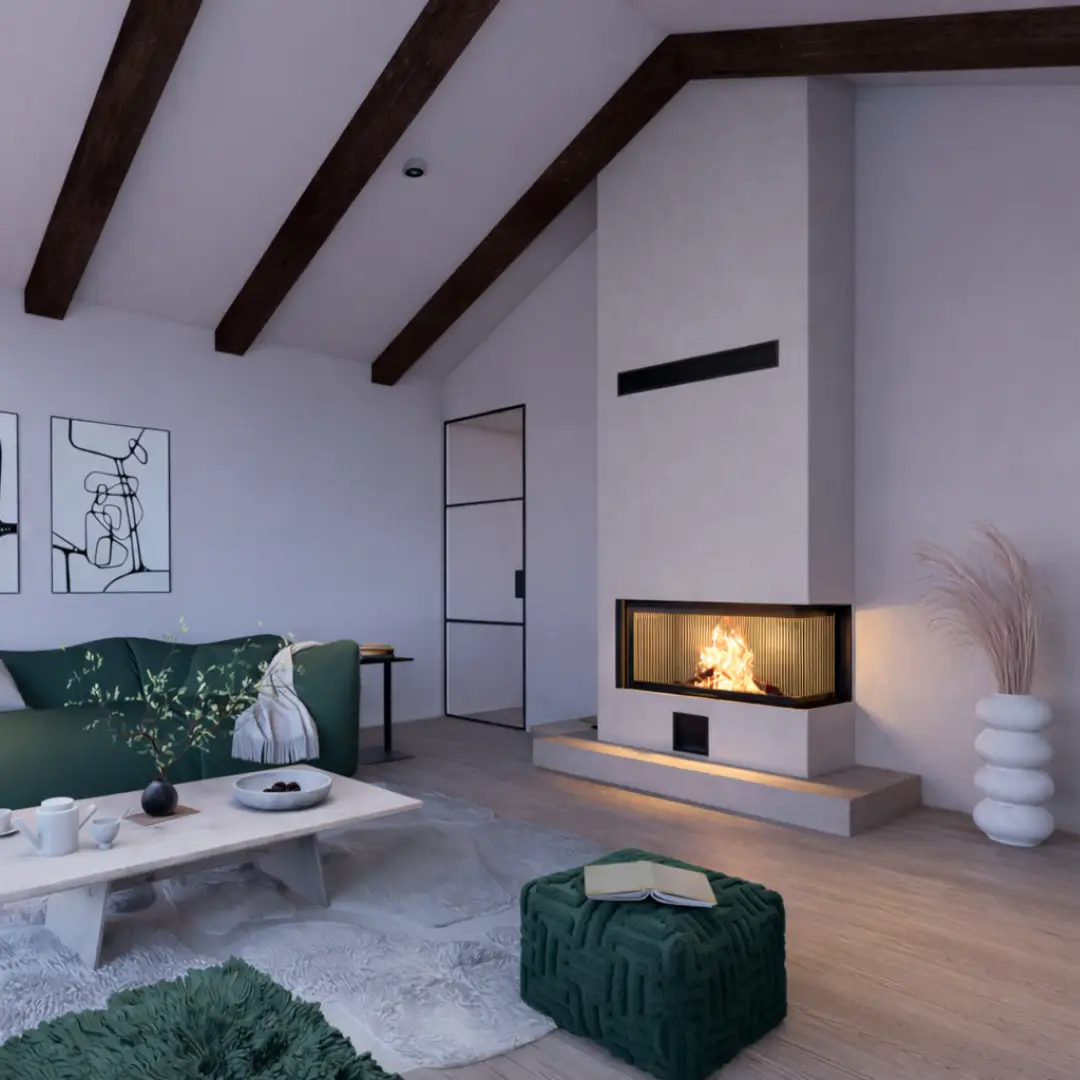
A cast-iron cheminée adds structure without enclosing space. It creates a clear focal point while still allowing open-plan living to function well. In addition, its vertical form helps restore balance and order within modern interiors.
This return does not rely on nostalgia. Instead, it reflects a renewed respect for architectural clarity.

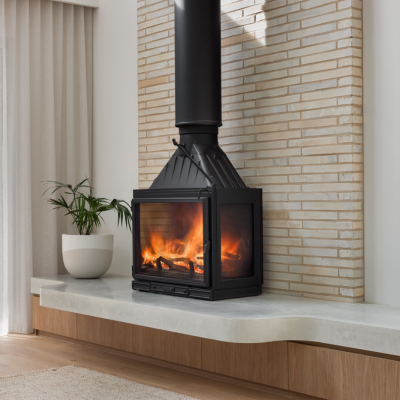
(Seguin Europa 7, Mt. Martha VIC – Birdrock House)
Cast Iron and Material-Led Fireplace Design
The revival of the cheminée also connects closely to material-led design.
Cast iron offers depth, weight, and strength. It does not depend on surface coatings or decorative layers. Instead, the material expresses its purpose honestly. Over time, it gains character rather than showing wear.
In contrast, many modern interiors rely on light materials such as plaster, stone, and glass. Because of this, cast iron introduces contrast and visual weight. It absorbs light, adds shadow, and anchors the space around it.
For those seeking luxury fireplace design inspiration, this balance between restraint and substance has become increasingly important.

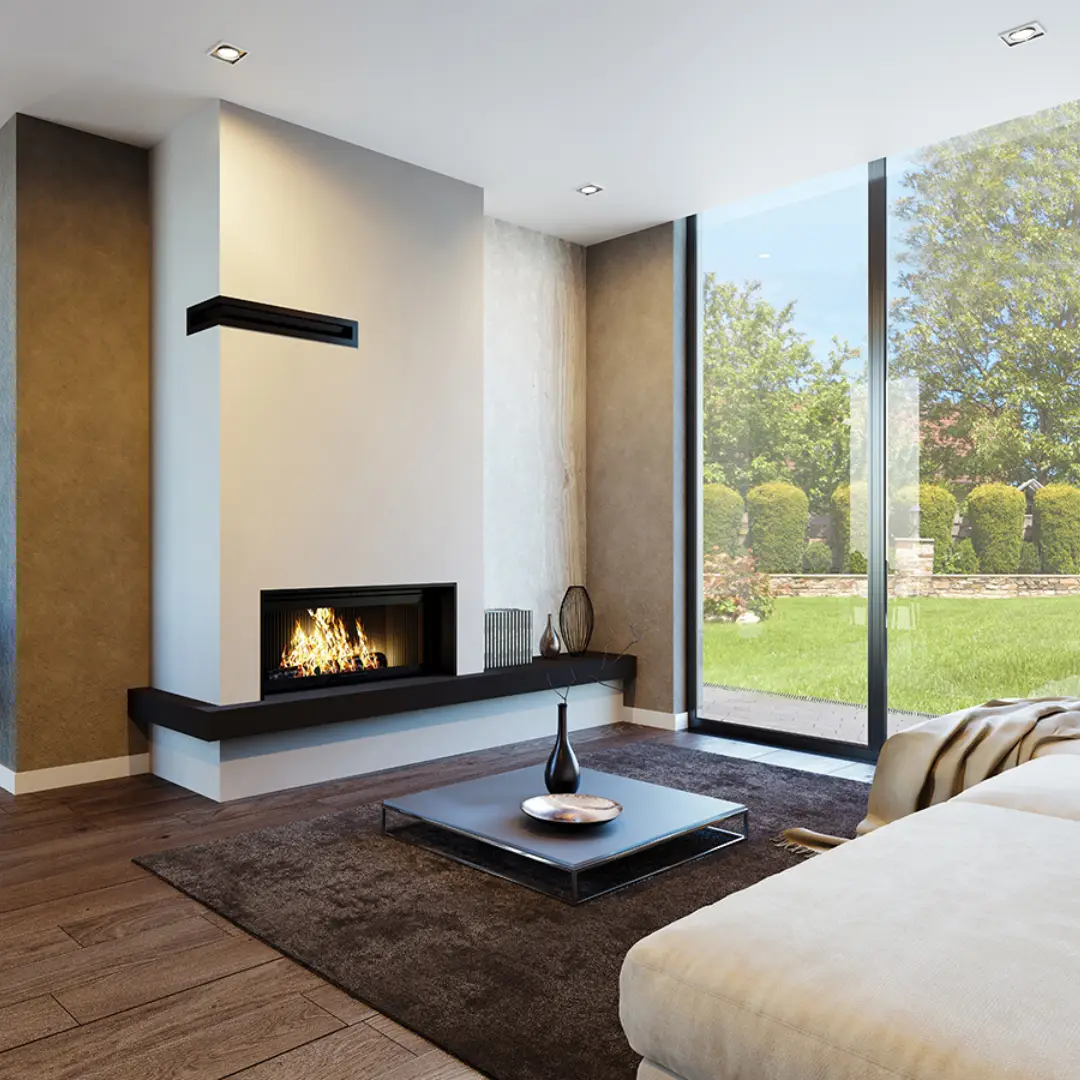
(Seguin Super 9 Lift, Mornington VIC – Private Boxing Club)
European Influence, Adapted for Contemporary Homes
The cheminée style has long roots in European design. For generations, cast iron symbolised durability, craftsmanship, and permanence. However, modern interpretations have refined this heritage.
Today’s designs reduce ornamentation and simplify form. Designers control proportions carefully and focus on clean lines. As a result, the fireplace feels architectural rather than decorative.
This approach suits contemporary Australian homes well. It works alongside clean-lined architecture while still adding warmth and depth that goes beyond styling alone.

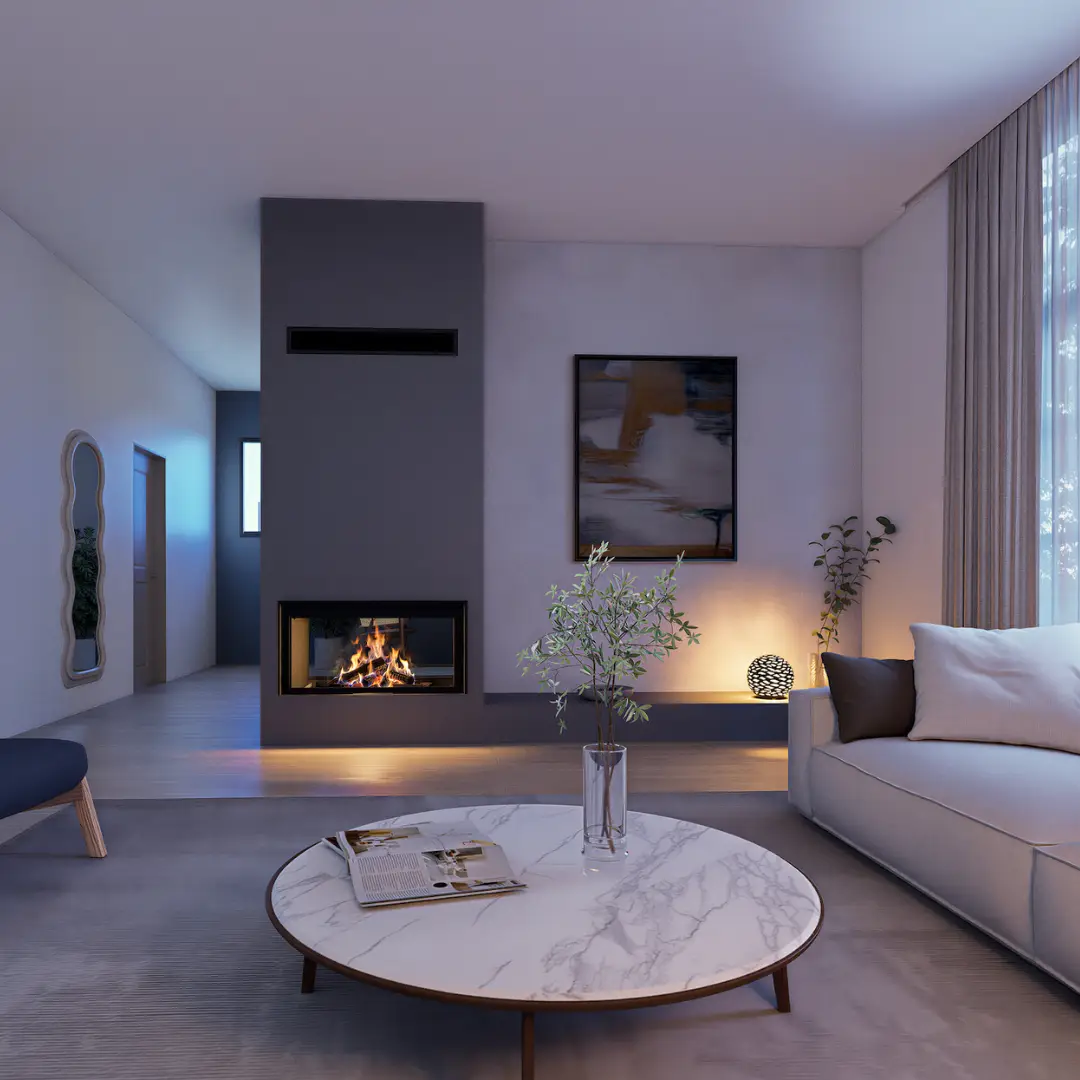
(Seguin Visio 8, Murray Region WA – By MAEK Residences)
Fireplaces Designed as Part of the Architecture
Another clear sign of this revival lies in when designers specify fireplaces.
Rather than adding them late, architects now consider cast iron cheminee fireplaces early in the planning process. Their placement shapes room layouts, circulation paths, and furniture zones. A vertical cheminée can define living areas without walls, which helps maintain openness while adding structure.
Even when unlit, the fireplace continues to influence how the space feels and functions. Therefore, it becomes part of the architecture rather than an applied feature.

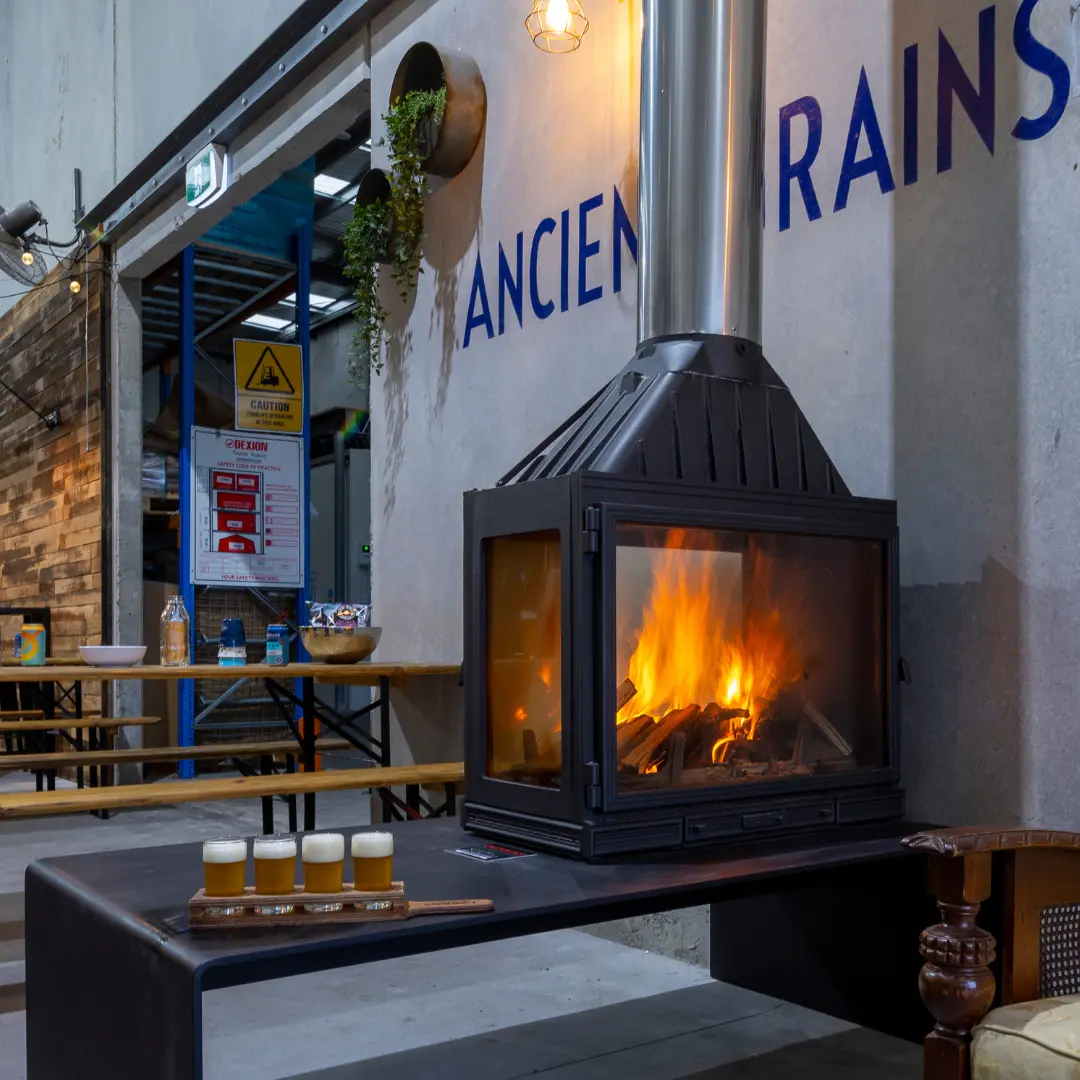
(Seguin Multivision 8000 3S, Dunsborough WA – Southcamp Brewery)
Longevity as a Measure of Quality
In high-end residential design, longevity now plays a key role in defining quality.
Cast-iron cheminée fireplaces last for decades. They resist short-term trends and remain relevant over time. Because of their durability, they reduce the need for replacement and future renovation.
As a result, sustainability comes from permanence rather than constant change. Choosing a fireplace of this nature means choosing fewer elements but choosing them well.
A Curated Approach to Fireplace Design
At Sculpt Fireplace Collection, this renewed interest reflects a broader commitment to architectural integrity and material quality. Sculpt works closely with architects, designers, and builders to support fireplaces that prioritise proportion, longevity, and design relevance.
As interest in cast-iron cheminée-style fireplaces continues to grow, their role within contemporary homes becomes clearer. They no longer sit on the periphery of design decisions. Instead, they help define the space itself.
Tags: architectural fireplace, cast iron, contemporary homes, design inspiration, European design, fireplace design, hearth design, home architecture, Interior Design, luxury interiors, modern fireplace, premium materials, sustainable design