Blogs

Posts Tagged ‘hearth design’

Best Fireplace Brands in Australia (Compared by Style, Performance & Price)

Posted on February 26th, 2026 by Admin@Sculpt

Fireplaces shape the mood and function of a space in a way few features can. Across Australian homes and architectural projects, they double as design statements as much as heat sources, influencing layout, materials, and how a room is experienced. We work closely with homeowners, architects, interior designers, and developers who want clarity around fireplace brands, from visual style to heating performance and price.

This guide highlights some of the best fireplace brands Australia offers, with a focus on the exclusive European manufacturers we represent at Sculpt Fireplace Collection, known for considered design and reliable efficiency.

What We Compare Across Our Fireplace Brands

When reviewing fireplace brands, we focus on practical and design-led criteria that matter during specification and long-term use.


Fireplace Brand Comparison Overview

Fireplace Brand Design Style Heating Performance Typical Price Range Best Suited For
JC Bordelet Sculptural, suspended, statement-focused High radiant heat High Feature spaces, open-plan homes, hospitality & commercial projects
Seguin Classic to contemporary European Strong heat output with consistent efficiency Mid to high Residential homes, architectural builds, and renovations
Axis Minimal, linear, architectural High-efficiency systems for larger spaces Mid to high Modern homes and commercial interiors

This overview helps frame how different fireplace brands compare at a glance, while individual projects often require deeper consideration around layout, installation, and design intent.

Design-Focused European Fireplace Brands

European fireplace brands are recommended for projects where visual impact matters as much as heat output. These fireplaces are designed to integrate with the architecture as a statement piece that stands out.

JC Bordelet

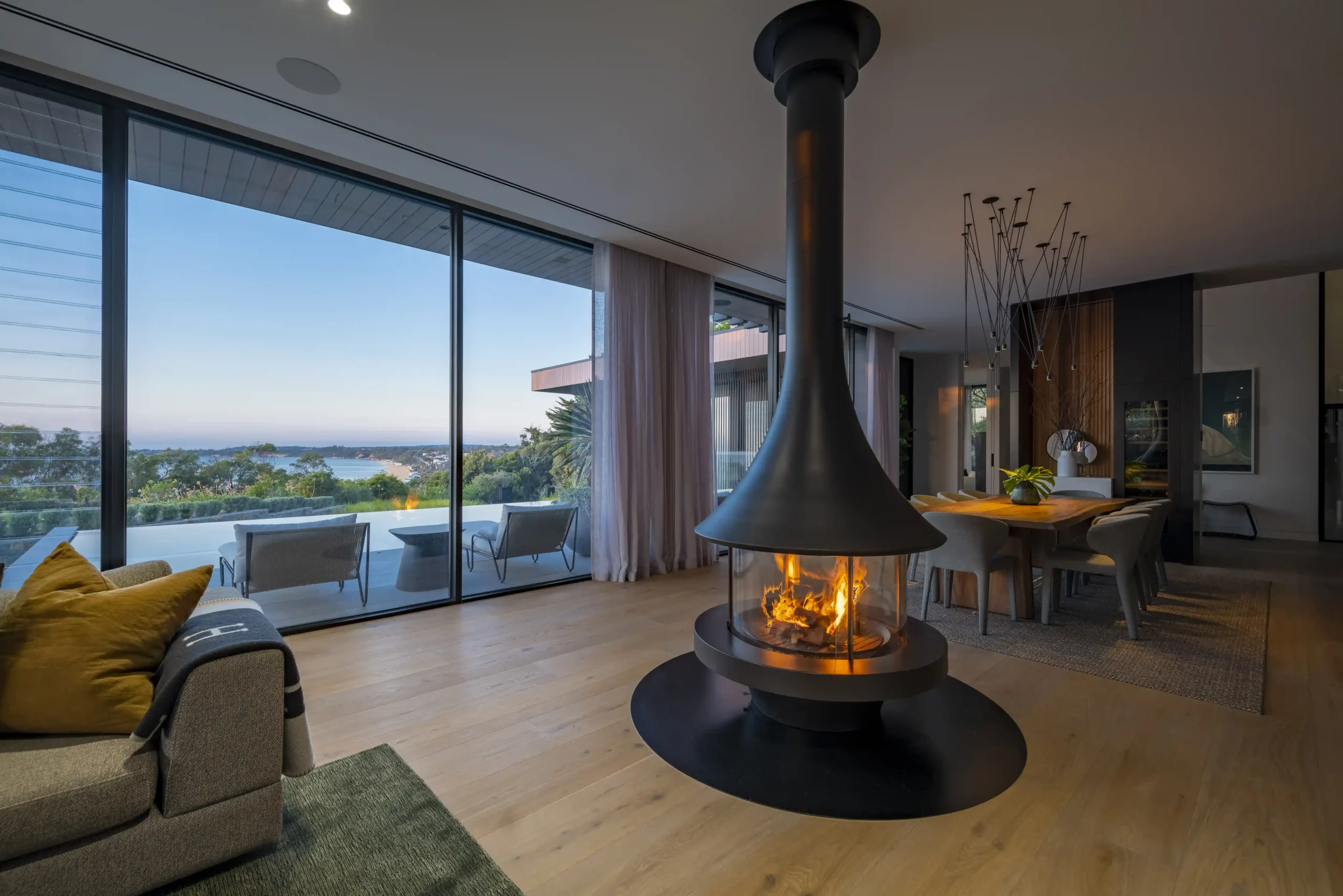
JC Bordelet fireplaces are sculptural and often suspended, available in expressive colours that make them a central feature in open-plan living areas. They combine strong radiant heat with efficient wood-burning systems, reflecting high craftsmanship and design presence. Pricing is at the upper end of the market, making JC Bordelet ideal for projects where the fireplace anchors the space. 

Explore our JC Bordelet range and arrange a consultation to view available models and finishes.

Seguin

Seguin fireplaces bring together French craftsmanship and contemporary engineering, offering classic closed-combustion designs alongside modern styles suitable for traditional homes and new builds. They deliver consistent heat and strong efficiency, with pricing in the mid to upper range, making them a reliable option among the best fireplaces Australia offers.

Seguin is well-suited to clients who value durability, balanced design, and proven performance. View our Seguin fireplace collection to see current models.
Contemporary Architectural Fireplace Brand

Modern Australian homes call for fireplaces that blend with clean lines, open layouts, and integrated design solutions.

Axis

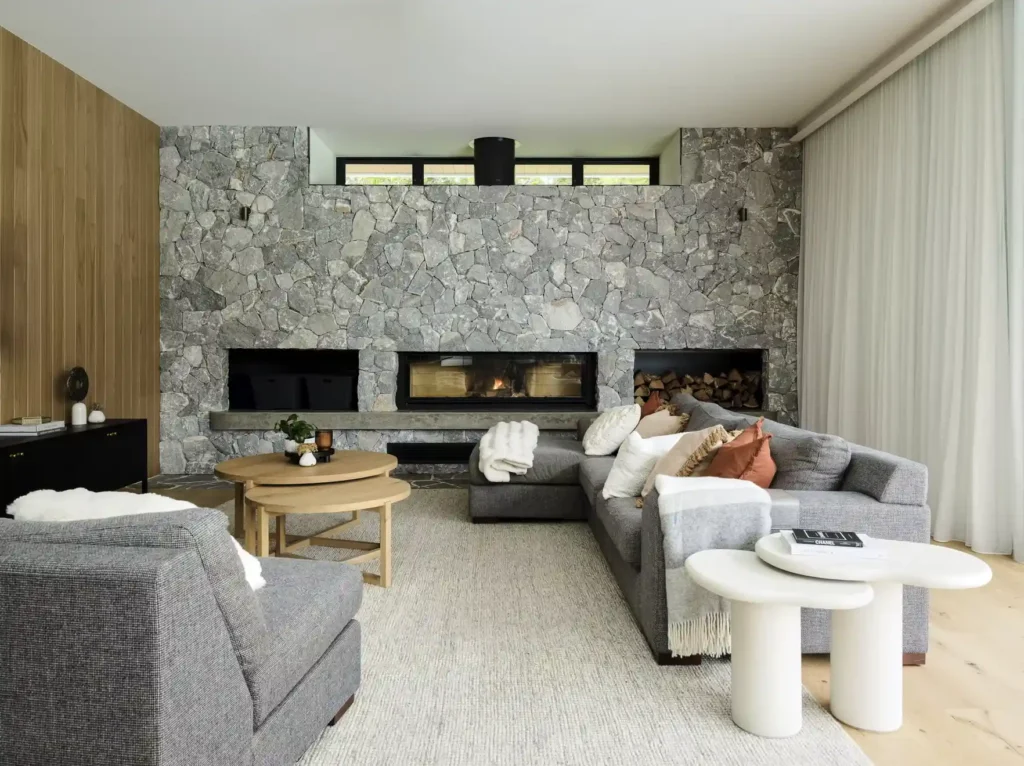
Axis fireplaces are designed for contemporary architecture, with linear and panoramic models that integrate seamlessly into feature walls and large living spaces. They offer high-efficiency heating and flexible installation for both residential and commercial projects, with pricing that varies by size and configuration. Axis is recommended when architectural clarity and performance are equally important. Our Axis fireplace range provides detailed installation and layout options.

Comparing Style, Performance, and Price

When comparing fireplace brands, we consistently assess three key factors.

Selecting the Right Fireplace Brand for Your Project

Every project has different priorities, whether that is architectural alignment, heating performance, or visual impact. We work closely with clients to match the right fireplace brands to their space, budget, and design intent. Professional guidance is especially important when specifying fireplaces for new builds or renovations, as installation requirements and spatial planning play a major role in the outcome.

To take the next step, you can view our full fireplace brands collection and get in touch with a local dealer to discuss your project in detail.

Cast-Iron Fireplace Design Inspiration: The Revival of the Cheminée

Posted on January 14th, 2026 by Admin@Sculpt

Cast-Iron Fireplace Design Inspiration: The Revival of the Cheminée

When people search for fireplace design inspiration, they now expect more than surface styling. Instead, they look for features that feel intentional, durable, and integrated into the architecture of the home. As a result, fireplaces are no longer treated as optional additions. Designers now plan them early and specify them with purpose.

Because of this shift, the cast-iron cheminée-style fireplace is returning to contemporary design. Once central to European homes, this form now feels relevant again. It aligns with a renewed focus on material quality, proportion, and longevity rather than trends.

Seguin Europa 7 - Cast Iron Cheminee Fireplace

(Seguin Europa 7, Mt. Martha VIC – Birdrock House)


Why Cheminée-Style Fireplaces Are Returning

Traditionally, cast iron cheminee fireplaces held a clear role. They stood tall, felt substantial, and occupied a central position in the home. Rather than blending into walls, they defined rooms and influenced how people moved through a space.

Over time, however, many fireplaces became smaller and less visible. Slim inserts and concealed designs gained popularity. Although subtle, these solutions often removed architectural presence.

Today, designers are moving in a different direction.

A cast-iron cheminée adds structure without enclosing space. It creates a clear focal point while still allowing open-plan living to function well. In addition, its vertical form helps restore balance and order within modern interiors.

This return does not rely on nostalgia. Instead, it reflects a renewed respect for architectural clarity.

Seguin Europa 7 - Cast Iron Cheminee Fireplace

(Seguin Europa 7, Mt. Martha VIC – Birdrock House)


Cast Iron and Material-Led Fireplace Design

The revival of the cheminée also connects closely to material-led design.

Cast iron offers depth, weight, and strength. It does not depend on surface coatings or decorative layers. Instead, the material expresses its purpose honestly. Over time, it gains character rather than showing wear.

In contrast, many modern interiors rely on light materials such as plaster, stone, and glass. Because of this, cast iron introduces contrast and visual weight. It absorbs light, adds shadow, and anchors the space around it.

For those seeking luxury fireplace design inspiration, this balance between restraint and substance has become increasingly important.

Seguin Super 9 - Cast Iron Cheminee Fireplace

(Seguin Super 9 Lift, Mornington VIC – Private Boxing Club)

European Influence, Adapted for Contemporary Homes

The cheminée style has long roots in European design. For generations, cast iron symbolised durability, craftsmanship, and permanence. However, modern interpretations have refined this heritage.

Today’s designs reduce ornamentation and simplify form. Designers control proportions carefully and focus on clean lines. As a result, the fireplace feels architectural rather than decorative.

This approach suits contemporary Australian homes well. It works alongside clean-lined architecture while still adding warmth and depth that goes beyond styling alone.

Seguin Visio 8 - Cast Iron Cheminee Fireplace

(Seguin Visio 8, Murray Region WA – By MAEK Residences)


Fireplaces Designed as Part of the Architecture

Another clear sign of this revival lies in when designers specify fireplaces.

Rather than adding them late, architects now consider cast iron cheminee fireplaces  early in the planning process. Their placement shapes room layouts, circulation paths, and furniture zones. A vertical cheminée can define living areas without walls, which helps maintain openness while adding structure.

Even when unlit, the fireplace continues to influence how the space feels and functions. Therefore, it becomes part of the architecture rather than an applied feature.

Seguin Multivision 8000 3S - Three Sided Cast Iron Fireplace

(Seguin Multivision 8000 3S, Dunsborough WA – Southcamp Brewery)


Longevity as a Measure of Quality

In high-end residential design, longevity now plays a key role in defining quality.

Cast-iron cheminée fireplaces last for decades. They resist short-term trends and remain relevant over time. Because of their durability, they reduce the need for replacement and future renovation.

As a result, sustainability comes from permanence rather than constant change. Choosing a fireplace of this nature means choosing fewer elements but choosing them well.

A Curated Approach to Fireplace Design

At Sculpt Fireplace Collection, this renewed interest reflects a broader commitment to architectural integrity and material quality. Sculpt works closely with architects, designers, and builders to support fireplaces that prioritise proportion, longevity, and design relevance.

As interest in cast-iron cheminée-style fireplaces continues to grow, their role within contemporary homes becomes clearer. They no longer sit on the periphery of design decisions. Instead, they help define the space itself.

Choosing the Perfect Hearth for Your Wood Fireplace

Posted on December 20th, 2024 by marketing@sculptfireplaces.com.au

Choosing the Perfect Hearth for Your Wood Fireplace: A Comprehensive Guide

When it comes to wood fireplaces, the hearth is more than just the surface under and around the firebox. It’s a crucial safety feature that protects floors from heat and embers while enhancing the room’s look and functionality. Choosing the perfect hearth for your wood fireplace means understanding your fireplace’s requirements, exploring design options, and selecting the right materials. From raised designs to floor-level options, each hearth style offers unique benefits and aesthetic appeal. Here’s everything you need to know about choosing the perfect hearth for your wood fireplace, including essential considerations and design options like flush, raised, and shelf-style hearths.

zelia 908 suspended fireplace hearth

What is a Hearth, and Why is it Needed?

A hearth is the non-combustible surface underneath and around a wood fireplace. It protects the floor from direct heat and provides a safe area to catch sparks or embers. Typically made of stone, tile, or other heat-resistant materials, a hearth serves several key purposes:

Protection: It shields the floor from high temperatures and stray embers, ensuring safety.

Functionality: Hearths make the firebox more accessible and provide a spot for fireplace tools and logs.

Aesthetic Value: Hearths add depth to the fireplace, making it a striking focal point. They enhance the fireplace’s appearance, suiting both traditional and modern interiors.

For more tips on maintaining your wood fireplace, check out our Care Guide.

Hearth Design Options: Choosing the Right Height, Material, and Style

With various design options available, hearths can be customized to fit your space’s practical and stylistic needs. Let’s explore the main choices, from floor-level and raised hearths to shelf-style designs.

Hearth Height: Floor-Level, Raised, and Shelf-Style

  • Flush Hearths: These sit level with the floor, creating a seamless look ideal for modern settings. This sleek design blends into the flooring but requires careful attention to ensure proper heat protection, as it lacks a raised edge to contain embers.
  • Raised Hearths: Elevated slightly above the floor with a lip, these are often the most affordable and easy-to-install option. They suit rustic and traditional spaces, where the elevated look complements the decor.
  • Shelf-Style Hearths: Aligned with the firebox’s bottom, these modern designs create a functional ledge for tools, decor, or firewood. They give a “floating” effect and save floor space by integrating directly with the firebox.
  • Combination: Hearths don’t need to stick to one height. You can combine raised and floor-level sections, provided they meet the required hearth distance.

Each style offers unique benefits and aesthetic appeal. Shelf-style and flush hearths work well in minimalist and modern spaces, while raised hearths complement classic, cozy interiors.

Material Choices: Aesthetic Appeal Meets Safety

The hearth must use non-combustible materials that can handle high temperatures. Each material brings different benefits and a distinct look:

  • Stone (Granite, Slate, and Marble): Durable, heat-resistant, and timeless. Granite is especially robust and comes in many colors, while slate offers a rustic, earthy appearance. Marble adds luxury and sophistication but requires more maintenance.
  • Tile and Brick: Tile allows endless customization with colors, shapes, and finishes, perfect for creative patterns. Brick provides a warm, traditional feel, ideal for rustic or industrial designs. Ensure tiles are sufficiently heat-resistant.
  • Concrete: This material offers a sleek, contemporary look. Concrete is durable and moldable into various shapes, making it popular in modern and industrial designs.
  • Metal Panels: Although less common, metal adds an industrial edge and is exceptionally heat-resistant. It’s often paired with stone or tile for unique visual effects.
  • Glass: Sleek and stylish, glass hearths suit contemporary, minimalist spaces. Toughened for durability, glass can handle high temperatures and works well in flush hearth designs. Clear, frosted, or tinted options offer flexibility in style.

When choosing materials, consider both safety and aesthetics. Stone, tile, and brick are practical for busy households due to their low maintenance, while polished finishes like marble or glass may require extra care.


For detailed fireplace installation tips, visit our Fireplace Installation Guide.

Every Fireplace Has Unique Hearth Requirements

Wood fireplaces vary in dimensions, design, heat output, and installation specifications. Each model has specific hearth requirements. The installation manual outlines these details, including the recommended distances the hearth should extend around the firebox and the minimum thickness required to protect floors and surrounding areas.

Additional Tips for Choosing a Hearth

  • Consult the Manual: Follow the manual for minimum hearth extension and thickness requirements to ensure safe and effective design.
  • Routine Maintenance: Choose materials that are easy to clean and maintain. Tile and stone are typically low maintenance, while polished finishes like marble or glass may need more upkeep to keep their appearance.

Designing a Hearth That Complements Your Fireplace and Space

The hearth is essential for any wood fireplace, combining style, safety, and functionality. Whether you prefer a traditional raised hearth, a modern floor-level option, or a stylish shelf-style design, make sure it suits your room’s decor and meets your fireplace’s requirements. A thoughtfully chosen hearth enhances your fireplace, making it a true focal point while providing a safe and enjoyable experience for years to come. Always consult the installation manual before starting your project. By making informed choices, you can create a hearth that is functional, safe, and beautiful—adding character to both your fireplace and your room. Feel free to reach out if you need further assistance!