Blogs

Posts Tagged ‘wood fireplaces’

Introducing the Axis FAS120: Four Configurations, One Standout Fireplace

Posted on September 1st, 2026 by Admin@Sculpt

Introducing the Axis FAS120: Four Configurations, One Standout Fireplace

The Axis FAS120 has arrived, and it’s already turning heads. Built on the success of the much-loved Axis H1200, the FAS120 reworks that original design with bolder proportions, a refined cast iron interior, and a range of Axis FAS120 configurations suited to contemporary Australian homes. Here’s a closer look at what makes it stand out.

Built for Modern Living

France designed and manufactured the Axis FAS120, and it carries the same design language Axis has long been known for: clean lines, a generous glass viewing area, and a flame picture that becomes part of a room’s atmosphere rather than sitting apart from it. What sets the FAS120 apart, though, is its flexibility. Rather than a single fixed layout, the Axis FAS120 comes in four configurations, so the fireplace can adapt to your space instead of the other way around.
FAS120 Corner Inbuilt Wood Fireplace

Four Axis FAS120 Configurations to Choose From

Single-sided. The classic Axis FAS120 configuration, and still one of the most versatile. It works beautifully as the anchor point for a living room or feature wall, giving a space a clear focal point without demanding too much of the surrounding design.

Double-sided. For open-plan homes, this Axis FAS120 configuration lets the flame connect two spaces at once. It adds structure and warmth between, say, a kitchen and living area, without fully closing either space off.

Corner. For homes with an angled wall or an awkward corner crying out for purpose, the corner FAS120 configuration turns an underused space into a genuine architectural feature.

Three-sided. For those chasing maximum visual impact, this configuration can be seen and enjoyed from almost every angle in a room, making the Axis FAS120 a true centrepiece rather than a background element.
FAS120 Inbuilt Wood Fireplace

Performance That Matches the Design

A beautiful fireplace should also perform beautifully, and every Axis FAS120 configuration has been engineered with that in mind. A cast iron interior supports both durability and heat retention, radiating warmth well after the flame has settled. Controlled airflow and efficient combustion technology work together to deliver strong heat output alongside a cleaner burn, keeping the glass clearer for longer and the flame picture uninterrupted.

It’s a combination that’s genuinely difficult to get right: a fireplace that looks as considered as it heats. It’s little wonder the Axis FAS120 recently caught the attention of Completehome, one of Australia’s leading design and building publications.

Why Early Planning Makes All the Difference

If you’re building or renovating, it’s worth thinking about your Axis FAS120 configuration earlier than you might expect. A fireplace like this influences ceiling height, flue placement and surrounding materials. It works best when it’s part of the plan from the beginning, not added in at the end. Speaking with your fireplace supplier early gives your architect or designer time to build the FAS120 into the space properly.

Explore Axis FAS120 Configurations Through Sculpt

Sculpt Fireplace Collection is the exclusive Australian distributor of Axis, alongside our other exclusive European brands, JC Bordelet and Seguin. All four Axis FAS120 configurations are available through our national network of specialist fireplace retailers, with support on hand for architects, designers, builders and homeowners alike.

Ready to explore Axis FAS120 configurations for your next project? Browse the full Sculpt collection or get in touch with your nearest stockist to discuss specification.
Choosing the Perfect Hearth for Your Wood Fireplace

Posted on December 20th, 2024 by marketing@sculptfireplaces.com.au

Choosing the Perfect Hearth for Your Wood Fireplace: A Comprehensive Guide

When it comes to wood fireplaces, the hearth is more than just the surface under and around the firebox. It’s a crucial safety feature that protects floors from heat and embers while enhancing the room’s look and functionality. Choosing the perfect hearth for your wood fireplace means understanding your fireplace’s requirements, exploring design options, and selecting the right materials. From raised designs to floor-level options, each hearth style offers unique benefits and aesthetic appeal. Here’s everything you need to know about choosing the perfect hearth for your wood fireplace, including essential considerations and design options like flush, raised, and shelf-style hearths.

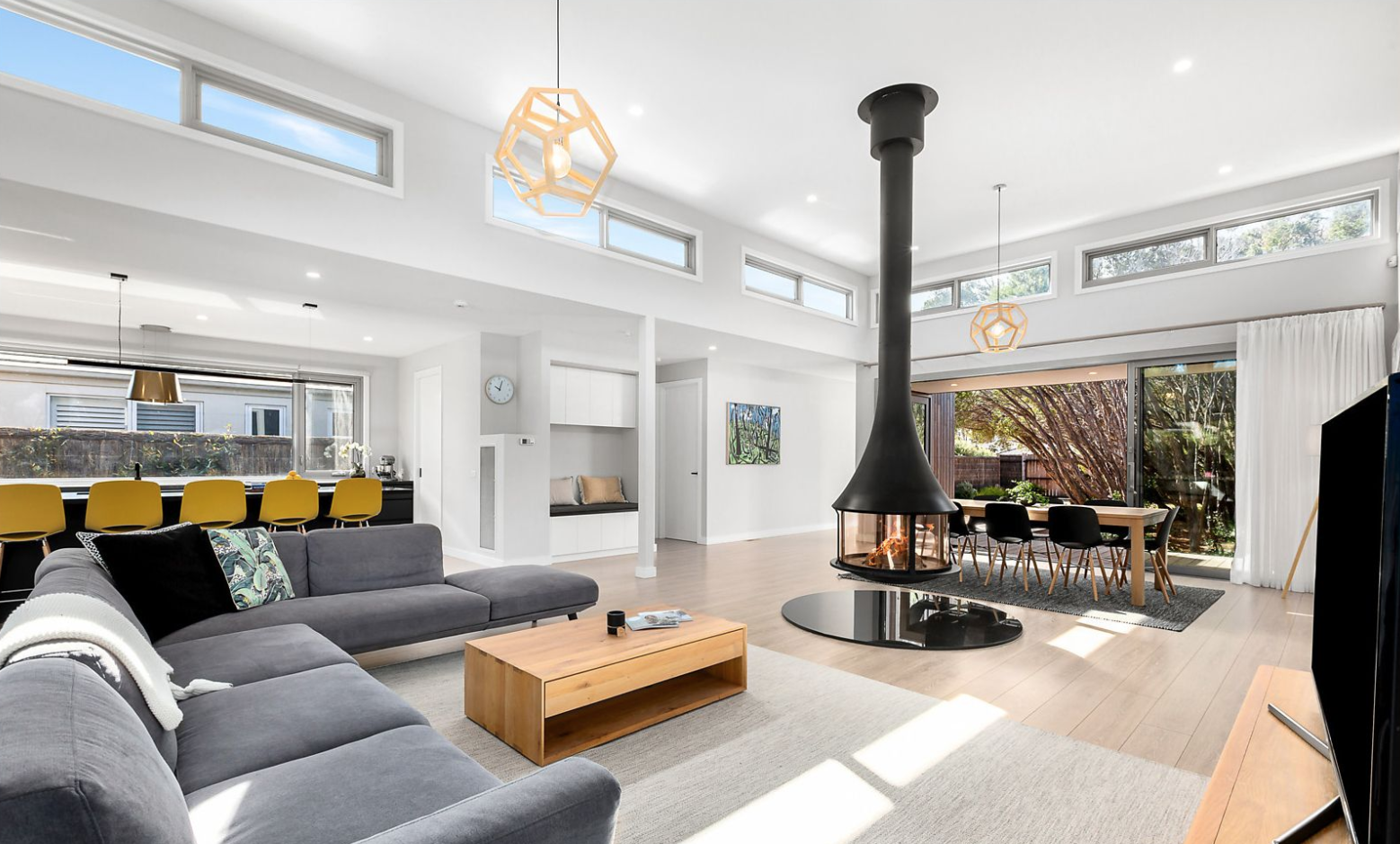
zelia 908 suspended fireplace hearth

What is a Hearth, and Why is it Needed?

A hearth is the non-combustible surface underneath and around a wood fireplace. It protects the floor from direct heat and provides a safe area to catch sparks or embers. Typically made of stone, tile, or other heat-resistant materials, a hearth serves several key purposes:

Protection: It shields the floor from high temperatures and stray embers, ensuring safety.

Functionality: Hearths make the firebox more accessible and provide a spot for fireplace tools and logs.

Aesthetic Value: Hearths add depth to the fireplace, making it a striking focal point. They enhance the fireplace’s appearance, suiting both traditional and modern interiors.

For more tips on maintaining your wood fireplace, check out our Care Guide.

Hearth Design Options: Choosing the Right Height, Material, and Style

With various design options available, hearths can be customized to fit your space’s practical and stylistic needs. Let’s explore the main choices, from floor-level and raised hearths to shelf-style designs.

Hearth Height: Floor-Level, Raised, and Shelf-Style

  • Flush Hearths: These sit level with the floor, creating a seamless look ideal for modern settings. This sleek design blends into the flooring but requires careful attention to ensure proper heat protection, as it lacks a raised edge to contain embers.
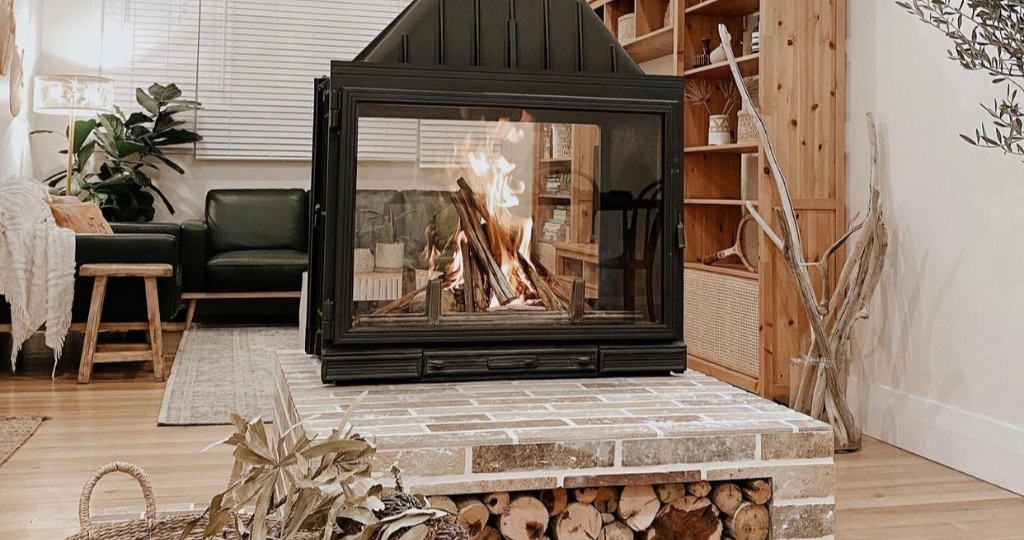
  • Raised Hearths: Elevated slightly above the floor with a lip, these are often the most affordable and easy-to-install option. They suit rustic and traditional spaces, where the elevated look complements the decor.
  • Shelf-Style Hearths: Aligned with the firebox’s bottom, these modern designs create a functional ledge for tools, decor, or firewood. They give a “floating” effect and save floor space by integrating directly with the firebox.
  • Combination: Hearths don’t need to stick to one height. You can combine raised and floor-level sections, provided they meet the required hearth distance.

Each style offers unique benefits and aesthetic appeal. Shelf-style and flush hearths work well in minimalist and modern spaces, while raised hearths complement classic, cozy interiors.

Material Choices: Aesthetic Appeal Meets Safety

The hearth must use non-combustible materials that can handle high temperatures. Each material brings different benefits and a distinct look:

  • Stone (Granite, Slate, and Marble): Durable, heat-resistant, and timeless. Granite is especially robust and comes in many colors, while slate offers a rustic, earthy appearance. Marble adds luxury and sophistication but requires more maintenance.
  • Tile and Brick: Tile allows endless customization with colors, shapes, and finishes, perfect for creative patterns. Brick provides a warm, traditional feel, ideal for rustic or industrial designs. Ensure tiles are sufficiently heat-resistant.
  • Concrete: This material offers a sleek, contemporary look. Concrete is durable and moldable into various shapes, making it popular in modern and industrial designs.
  • Metal Panels: Although less common, metal adds an industrial edge and is exceptionally heat-resistant. It’s often paired with stone or tile for unique visual effects.
  • Glass: Sleek and stylish, glass hearths suit contemporary, minimalist spaces. Toughened for durability, glass can handle high temperatures and works well in flush hearth designs. Clear, frosted, or tinted options offer flexibility in style.

When choosing materials, consider both safety and aesthetics. Stone, tile, and brick are practical for busy households due to their low maintenance, while polished finishes like marble or glass may require extra care.


For detailed fireplace installation tips, visit our Fireplace Installation Guide.

Every Fireplace Has Unique Hearth Requirements

Wood fireplaces vary in dimensions, design, heat output, and installation specifications. Each model has specific hearth requirements. The installation manual outlines these details, including the recommended distances the hearth should extend around the firebox and the minimum thickness required to protect floors and surrounding areas.

Additional Tips for Choosing a Hearth

  • Consult the Manual: Follow the manual for minimum hearth extension and thickness requirements to ensure safe and effective design.
  • Routine Maintenance: Choose materials that are easy to clean and maintain. Tile and stone are typically low maintenance, while polished finishes like marble or glass may need more upkeep to keep their appearance.

Designing a Hearth That Complements Your Fireplace and Space

The hearth is essential for any wood fireplace, combining style, safety, and functionality. Whether you prefer a traditional raised hearth, a modern floor-level option, or a stylish shelf-style design, make sure it suits your room’s decor and meets your fireplace’s requirements. A thoughtfully chosen hearth enhances your fireplace, making it a true focal point while providing a safe and enjoyable experience for years to come. Always consult the installation manual before starting your project. By making informed choices, you can create a hearth that is functional, safe, and beautiful—adding character to both your fireplace and your room. Feel free to reach out if you need further assistance!